

Most people think history is about dates and kings.
It isn’t.
History is about why the world is shaped the way it is right now — borders, languages, conflicts, systems, power.
And for modern life, you don’t need to go back thousands of years.
You need to start around 250 years ago.
The Seven Years’ War: the first real world war
If you remember one historical event, make it this one.
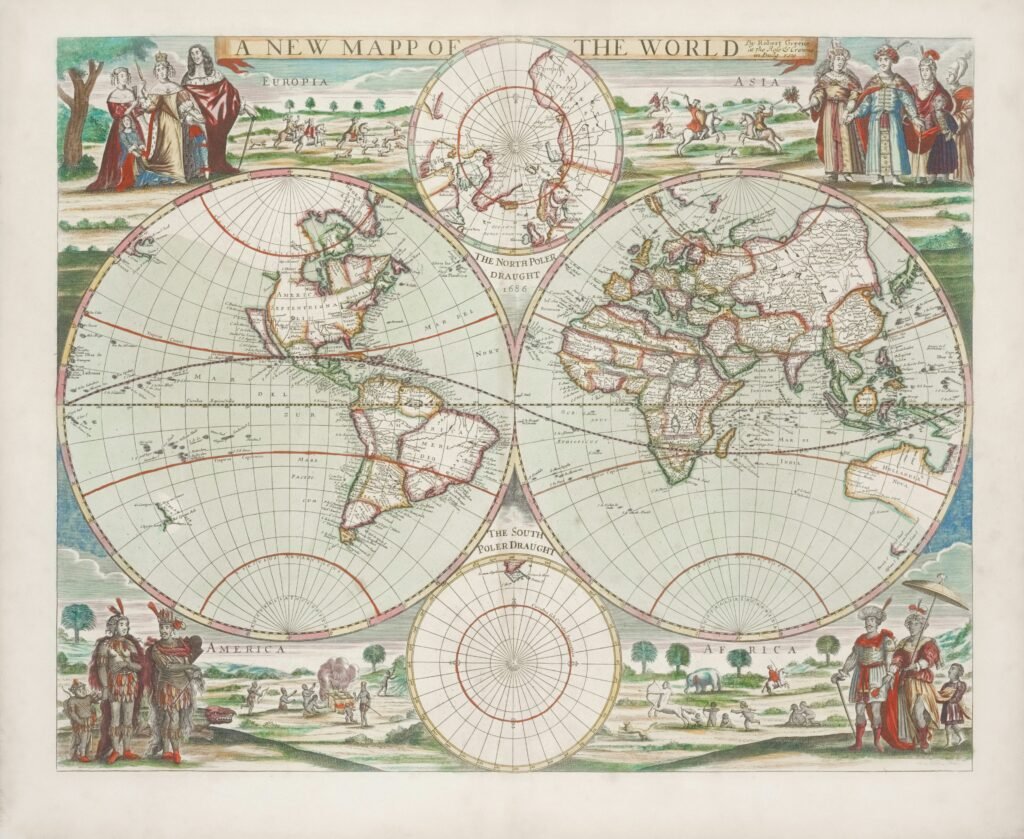
The Seven Years’ War (1756–1763) was effectively the first world war.
Not because of ideology — but because of scale.
It was fought across:
- Europe
- North America (modern-day USA & Canada)
- The Caribbean
- Africa
- India
At its core, it was a global fight between Britain and France, with other European powers pulled in.
In North America, it’s often called the French and Indian War — fought largely in what is now the US and Canada.
Why this war matters
This war:
- Turned colonial disputes into global warfare
- Locked in British dominance of the seas
- Set the foundation for modern empires
- Changed the global balance of power permanently
And most importantly:
👉 It bankrupted France.
How one war triggered revolutions across continents
France didn’t just lose territory in the Seven Years’ War.
It lost money.
A lot of it.
To fund the war, the French state borrowed heavily. After the war, it tried to recover by increasing taxes — mostly on people who were already struggling.
This financial strain didn’t cause the French Revolution on its own, but it made it inevitable.
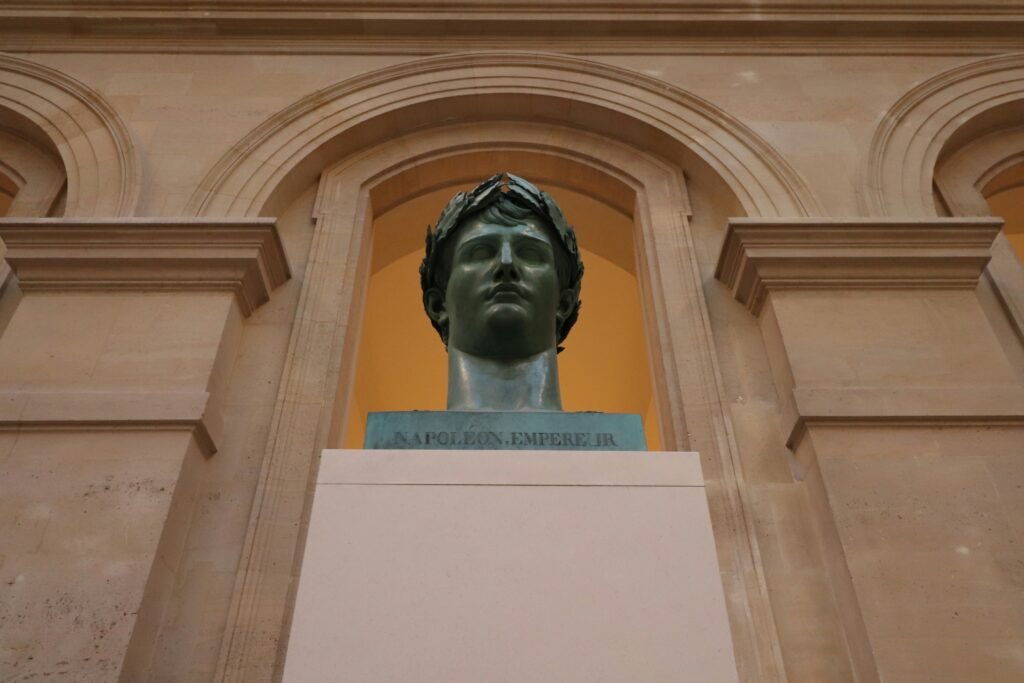
Once the French Revolution began, the old political order collapsed — and out of that chaos emerged Napoleon Bonaparte.
Napoleon and the industrialization of war
Napoleon didn’t invent dictatorship.
What he did was industrialize war.
He:
- Mobilized entire populations
- Used nationalism as fuel
- Centralized state power
- Treated society as a machine designed for war
This was new.
Earlier wars were fought by:
- professional armies
- mercenaries
- small elite forces
Napoleon turned citizens into weapons.
This model — total mobilization, loyalty to the state, sacrifice for national glory — became the template later used by:
- Mussolini
- Hitler
- other 20th-century totalitarian regimes
Napoleon didn’t just fight wars.
He changed how wars were fought.
Colonization wasn’t abstract — it was violent
When people talk about colonialism, they often soften it.
It wasn’t soft.
It was:
- land seizure
- forced labor
- cultural destruction
- mass death
The Congo under Belgium
One of the clearest examples: the Belgian Congo.
Under King Leopold II:
- Millions of Congolese were killed
- Forced labor was routine
- Entire villages were destroyed
- Amputations were used as punishment
This wasn’t an accident.
It was economic extraction.
Spain and forced conversion
Spanish colonization across the Americas involved:
- mass death of indigenous populations
- forced religious conversion
- destruction of local cultures
- exploitation of labor and land
Entire civilizations were erased within generations.
Every country has indigenous peoples
This is something most people never stop to think about.
Every country on Earth has — or had — indigenous peoples.
They didn’t disappear.
They were:
- absorbed
- suppressed
- pushed to margins
- or deliberately destroyed
Examples:
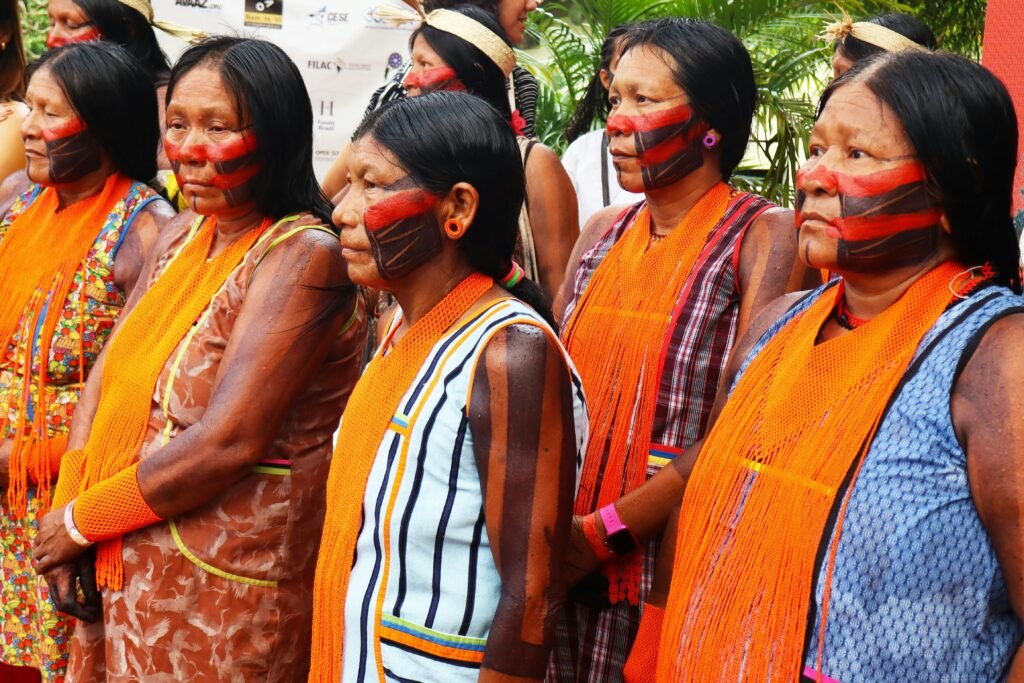
- Indigenous peoples in Brazil
- First Nations in North America
- Aboriginal peoples in Australia
- Indigenous groups across Siberia and Russia
Even today:
- There are over 400 million indigenous people worldwide
- There are still uncontacted tribes in the Amazon
- In one small region alone, around seven distinct uncontacted groups are known to exist
They aren’t “primitive”.
They simply chose — or were forced — not to integrate into industrial systems.
World War I and borders that never made sense
World War I didn’t just kill millions.
It redrew the world.
After the war:
- Empires collapsed
- Borders were drawn by foreign powers
- Entire regions were divided without regard for culture, ethnicity, or history
Nowhere is this more obvious than in the Middle East.
The Middle East, Kurdistan, and permanent instability
After World War I:
- The Ottoman Empire collapsed
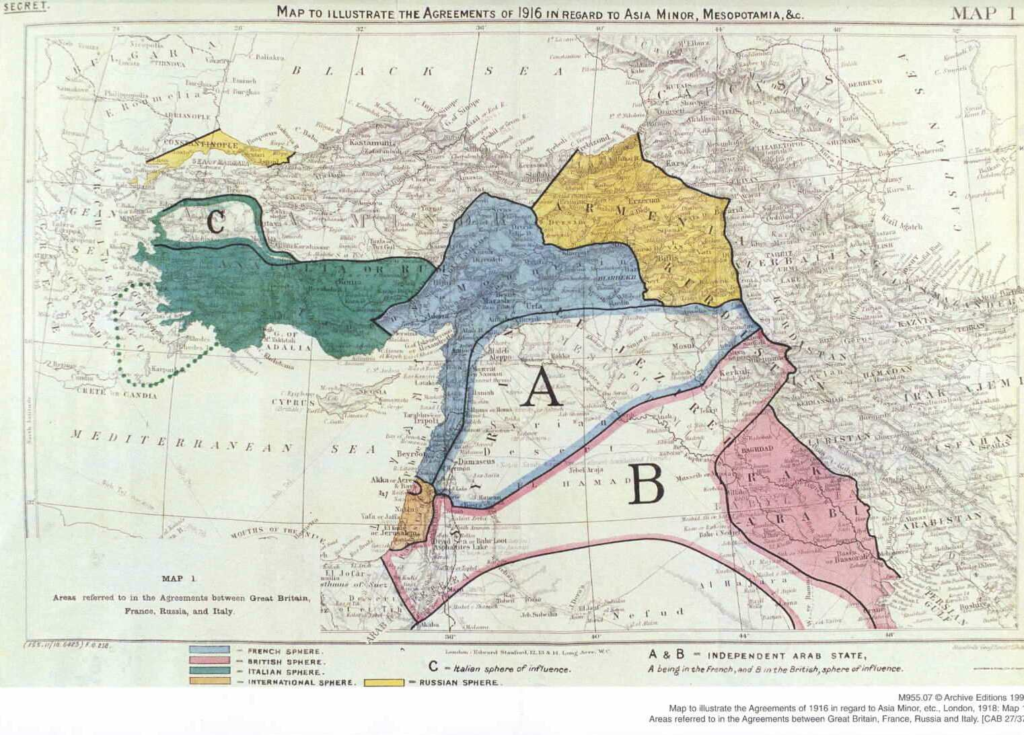
- Britain and France divided the region through agreements like Sykes–Picot
- Borders were drawn on maps — not on realities
One of the biggest consequences:
👉 Kurdistan never became a country.
Instead:
- Kurds were split across Turkey, Iraq, Syria, and Iran
- Millions of people became stateless
- Ongoing conflict was guaranteed
Many modern conflicts in the Middle East trace directly back to these post-WWI decisions.
The instability isn’t ancient.
It’s recent.
And it was designed.
The pattern you start to see
Once you understand recent history, patterns become obvious:
- Wars reshape economies
- Economies reshape societies
- Borders drawn by outsiders create permanent conflict
- Power concentrates far from consequences
- Ordinary people inherit the damage
None of this is accidental.
None of it is ancient.
It’s recent.
And it’s still unfolding.
Why this matters now
If you don’t understand:
- why countries speak the languages they do
- why borders don’t match cultures
- why conflict feels permanent in certain regions
- why power feels distant and unaccountable
Then the modern world feels chaotic.
Once you see the history, it stops feeling chaotic — and starts feeling engineered.
What this blog is trying to do
This isn’t about guilt.
It’s not about blame.
It’s about clarity.
Understanding recent history:
- removes confusion
- reduces false narratives
- explains why systems behave the way they do
- gives you perspective on where you actually stand
And without that, nothing else really makes sense.
References & Further Reading
Seven Years’ War
- Britannica – Seven Years’ War
https://www.britannica.com/event/Seven-Years-War - History Today – The Crucible of War
https://www.historytoday.com/archive/crucible-war
French Revolution & Napoleon
- Britannica – French Revolution
https://www.britannica.com/event/French-Revolution - Britannica – Napoleon Bonaparte
https://www.britannica.com/biography/Napoleon-French-emperor
Industrialized warfare & total mobilization
- George Mosse – The Nationalization of the Masses (overview)
https://press.princeton.edu/books/paperback/9780691160734 - Stanford Encyclopedia – Totalitarianism
https://plato.stanford.edu/entries/totalitarianism/
Belgian Congo
- Britannica – Congo Free State
https://www.britannica.com/place/Congo-Free-State - Adam Hochschild – King Leopold’s Ghost (summary)
https://www.theguardian.com/books/2002/feb/02/historybooks.features
Indigenous peoples
- UN – Indigenous Peoples
https://www.un.org/development/desa/indigenouspeoples - Survival International – Uncontacted Tribes
https://www.survivalinternational.org/about/uncontacted-tribes
World War I & Middle East borders
- Britannica – Sykes–Picot Agreement
https://www.britannica.com/event/Sykes-Picot-Agreement - BBC – How WWI shaped the Middle East
https://www.bbc.com/news/world-middle-east-25299553
Kurdistan
- Britannica – Kurdistan
https://www.britannica.com/place/Kurdistan - Council on Foreign Relations – The Kurds
https://www.cfr.org/backgrounder/kurds